
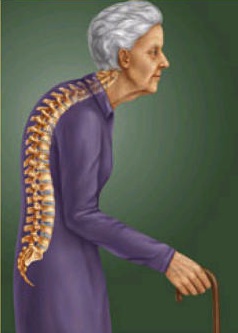

We’ve all heard it, either from our mother, or our teachers. So years later, as we wonder why we have pain in our back, shoulders and neck, we think maybe they were right!
To correct and maintain good posture, Danielle Vernon, Physical Therapist, CEO of Backbone Cushion Company and ergonomic specialist suggests following these tips:
Standing
- Your weight should be evenly distributed between your heels and the balls of your feet.
- Keep your feet shoulder-width apart, knees slightly bent, and arms hanging naturally along the sides of your body.
- Your earlobes should line up with the middle of your shoulders. We tend to have our heads too far forward.
- Pull your shoulders back and stand tall and straight (without over-arching your back).
- Engage your abdominal muscles and tuck your stomach in.
Walking
- Keep your head up and eyes forward so your line of focus falls about 4-5 feet ahead of you and your chin, parallel to the ground.
- Don’t let your head slouch forward and keep your shoulders back and aligned with the rest of the body.
- Touch the ground with your heel first to help ensure alignment and balance. Focus on rolling off your big toe, not the outside of your foot.
Lying or Sleeping
- Your mattress should be firm enough to keep your spine in a straight alignment, without compromising comfort.
- Sleeping on your back or side is preferred over your stomach. (not only for alignment but also for better circulation and easier breathing).
- Use a pillow to fill the curve of your neck. Your head shouldn’t be higher or lower than your spine.
- If sleeping on your side, place a pillow between your legs. It should be thick enough that your knees are a few inches apart but still narrower than your hips.
- If sleeping on your back, place a pillow under your knees.
Sitting
- Be sure your shoulders are straight, your back is aligned against the chair, and avoid slouching or leaning forward. This is very difficult to do because most chairs are contoured to throw your shoulders forward and don’t support your upper back at all. Using something such as the BackBone Cushion can fill in the space between your shoulder blades and support an optimal posture.
- Be sure the chair is designed to support your low AND your mid-back.
- When sitting at a desk, your elbows should be bent at an 80-90 degree angle and rest comfortably by your side.
- Make sure your arm rests are positioned as close to your body as possible and not keeping your arms away from your sides.
- Keep your knees and hips in line with each other with your feet in front of you (flat on the floor or on a footrest).
- Don’t sit in the same position for too long. Get up, move around, and stretch every hour, even if it is just for a few seconds.
Driving
- Sit with your back aligned against the seat for proper back support. Car seats tend to be contoured, making it very hard to sit without slumping. The BackBone Cushion can also be used for mid-back support in the car. It helps to support you out of the seat’s contour into a better position. This makes it easier to breath (so you won’t get so tired when you drive) and allows your arms to come back closer to your side (alleviates stress around your neck and shoulders).
- Adjust your seat so your arms are hanging as close to your side as possible and they have a slight bend when gripping the wheel.
- Your knees should be even with your hips or slightly lower. Your knees should never be higher than your hips because this flattens your low back.
- The headrest should support the middle of your head.
Final Thoughts:
Poor posture isn’t something you’re born with. It’s something that has been created by us and must be reformed with conscious mindset. Creating a positive, ergonomic environment is one step to making this easier for you without having to think about it all the time. For further information on guidelines to finding the correct ergonomic set up or postures for your lifestyle, feel free to reach out to us as hello@backbonecushion.com.